






LMHI 2015
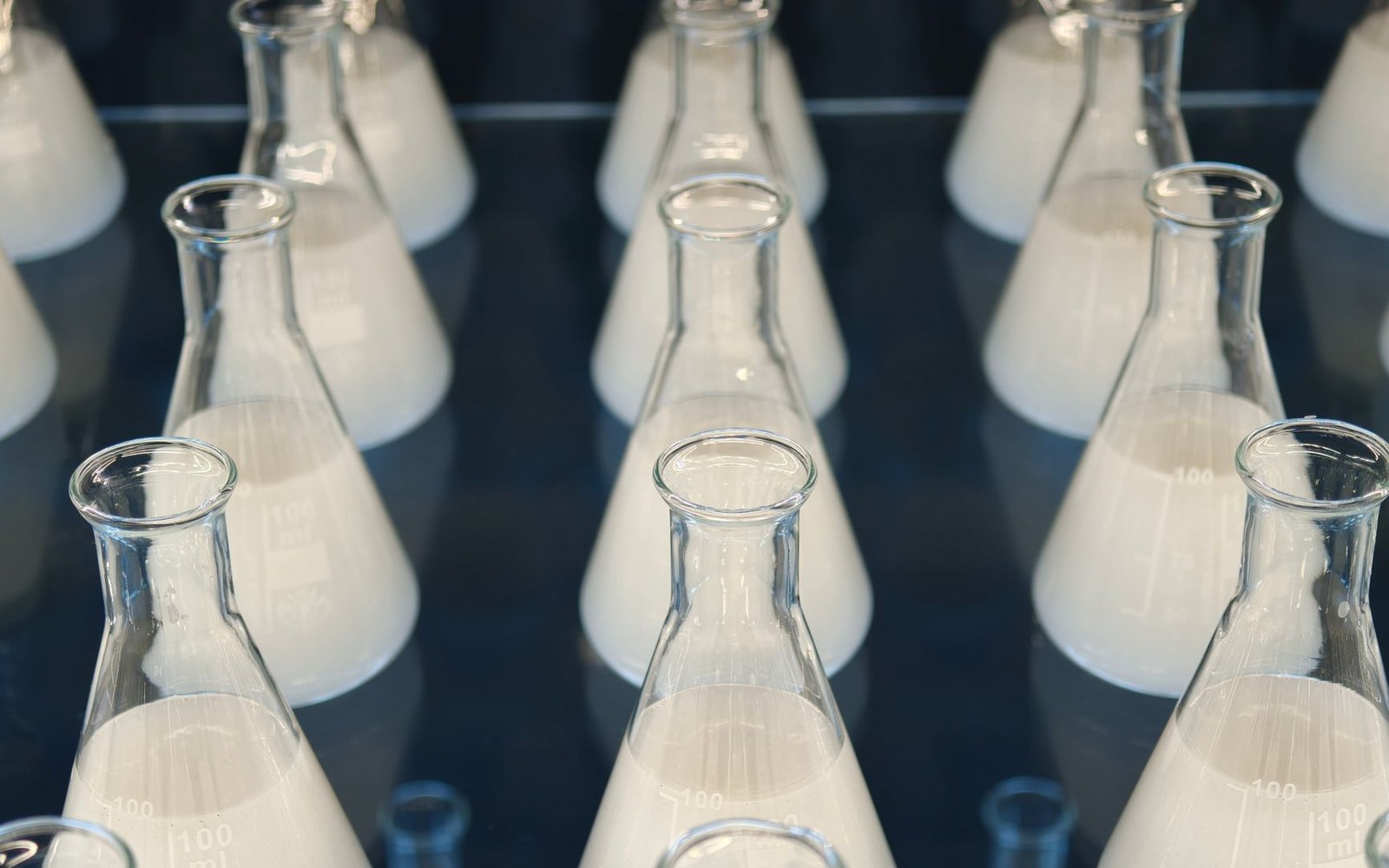
A ranked row of glass dilution flasks on a laboratory bench, an adult researcher's hands adjusting one at the near end
LMHI 2015 10−60

Everything here is one number repeated until the number stops meaning anything

Hahnemann divided one part in ninety-nine and struck the vial, then did it again. Thirty repetitions is 10−60 — the figure a label reading 30C states.

Each flask holds one hundredth of what the flask before it held.Photo: Tombson Klarel / Pexels

One part in a hundred · step one of two hundred

The scale, the notation and the sugar that carries it

Six steps is 10−12. Twelve is 10−24, where Avogadro’s number says the last molecule of the starting material has gone. Thirty is 10−60. Two hundred is sold.

Read 30C written out
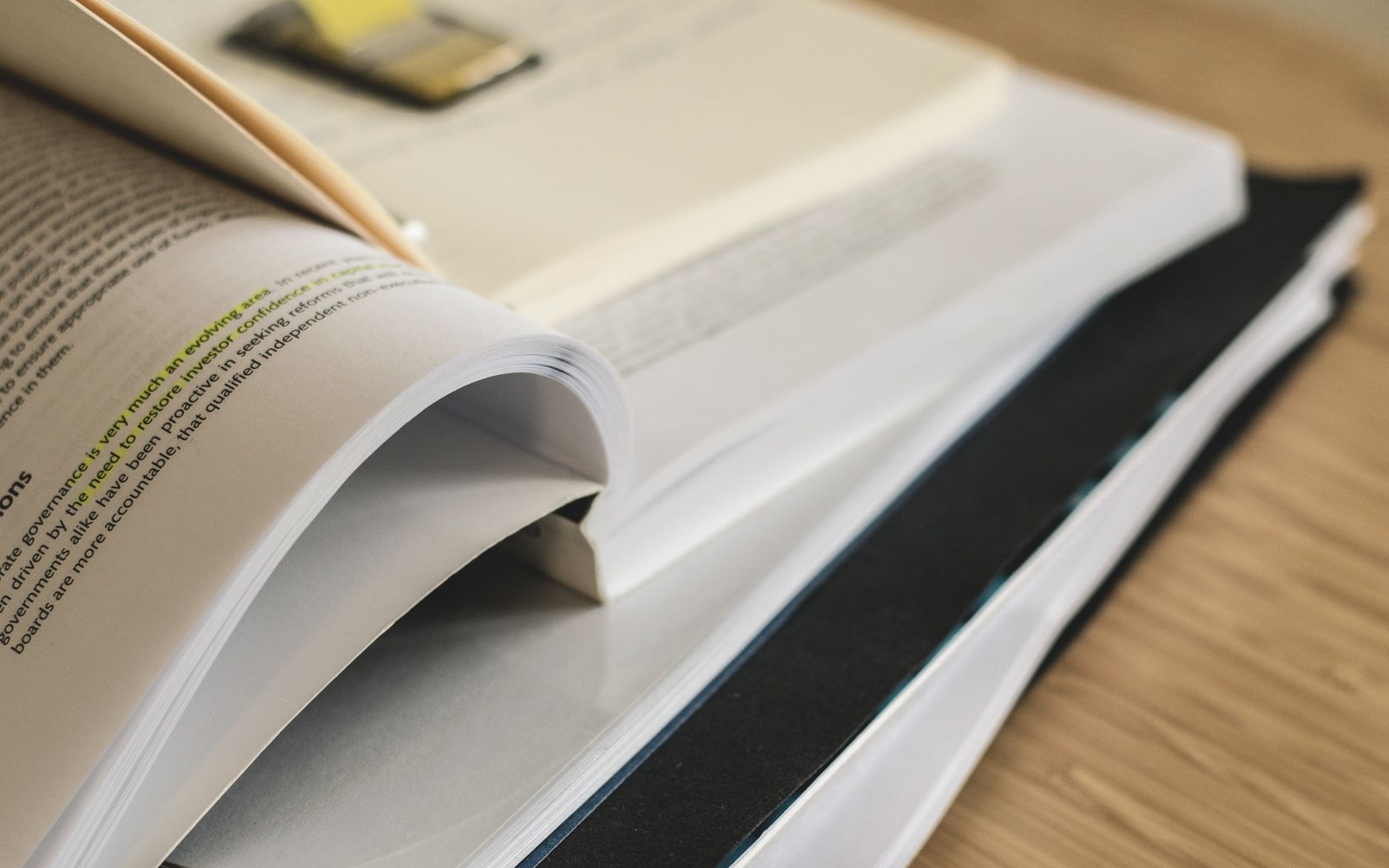
Hands writing math notes with a calculator, ruler, and compass on a wooden desk

Thirty applications of one ratio. The arithmetic is not disputed by anybody.Photo: MART PRODUCTION / Pexels

The scale, in five steps
1C10−2One part in a hundred
6C10−12Starting material still present
12C10−24Avogadro’s number is crossed here
30C10−60Thirty-six orders of magnitude past it
200C10−400Sold, and beyond physical comparison
The signature device

The first five steps, in order

The tincture drawn off, the notation written on the label, one vessel emptied and refilled, the finished case, and the exponent worked out in full. The frame shrinks as the number climbs.

Row of sealed glass vials with metal caps lined up on a lab counter
1C
Rows of empty glass test tubes in a white rack with a few holding colored liquids
2C
A hand holds a small glass vial containing clear liquid against a blue background
3C
A wooden apothecary case of labelled homeopathic vials, arranged in rows, shot from directly above
4C
A chalkboard with 10 to the power of minus 60 worked out in full in chalk, adult hand holding the chalk at the right edge of frame
5C
Read it
downward
6C

10−12 · Hahnemann

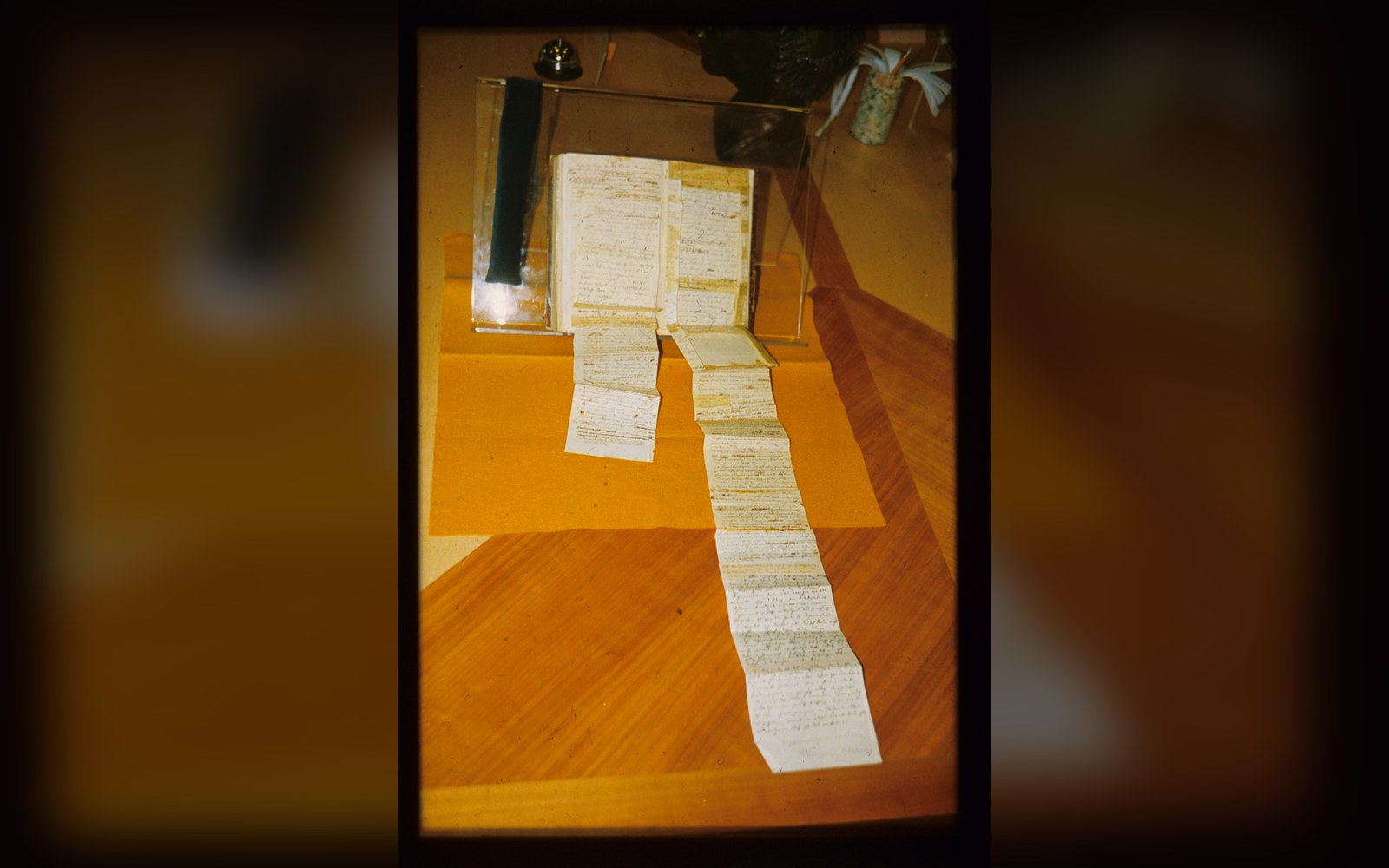
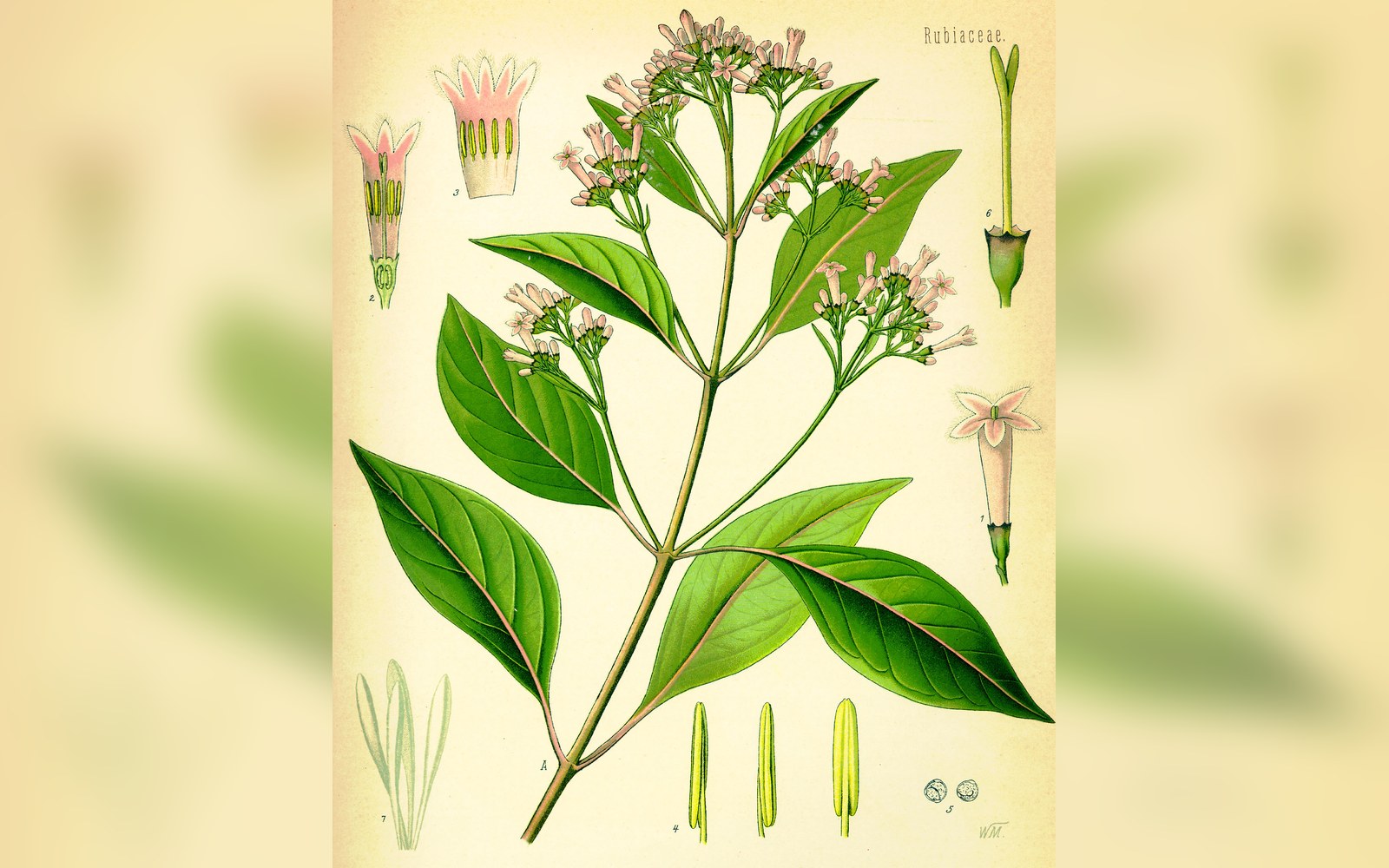
1796, 1810, and thirty-two years of revisions

The cinchona self-experiment, the Organon in six editions to 1921, the Materia Medica Pura, the Leipzig provings, Père Lachaise.

Hahnemann
An open handwritten manuscript on a stand, its accordion-folded pages unfolding across a wooden table
12C

10−24 · The Documents

Where the numbers stop and the documents start

An enforcement policy in Washington, a consultation in England, an assessment in France, a statement from the European academies. Four documents, four dates.

The Documents
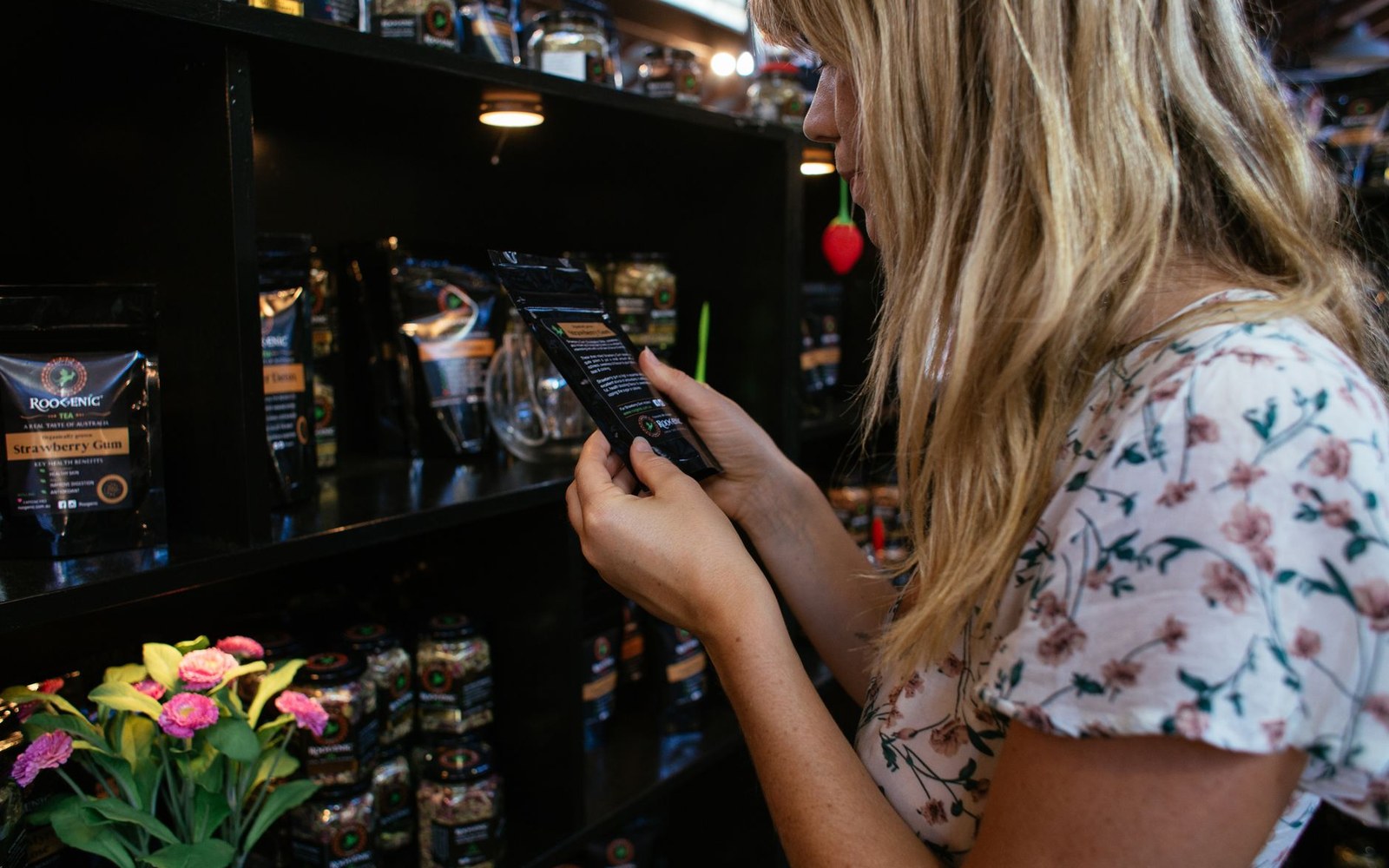
A shopper reads a package label on a shelf stocked with tea bags

30C · 10−60 · The Reviews

What the reviews actually said, in their own words

Six named reviews between 1988 and 2017, each read on its own terms. Three of them here; the rest on the section page.

All six reviews
200C

Rotterdam, 1925, and everything built around it since

Six pieces: the Liga, the Faculty of Homeopathy, two hospitals, three manufacturers and two pharmacopoeias.

Institutions

Places

Eight addresses the record keeps returning to

From Hahnemann’s birth at Meissen in 1755 to the 70th LMHI congress at Rio de Janeiro in 2015. Four of them here.

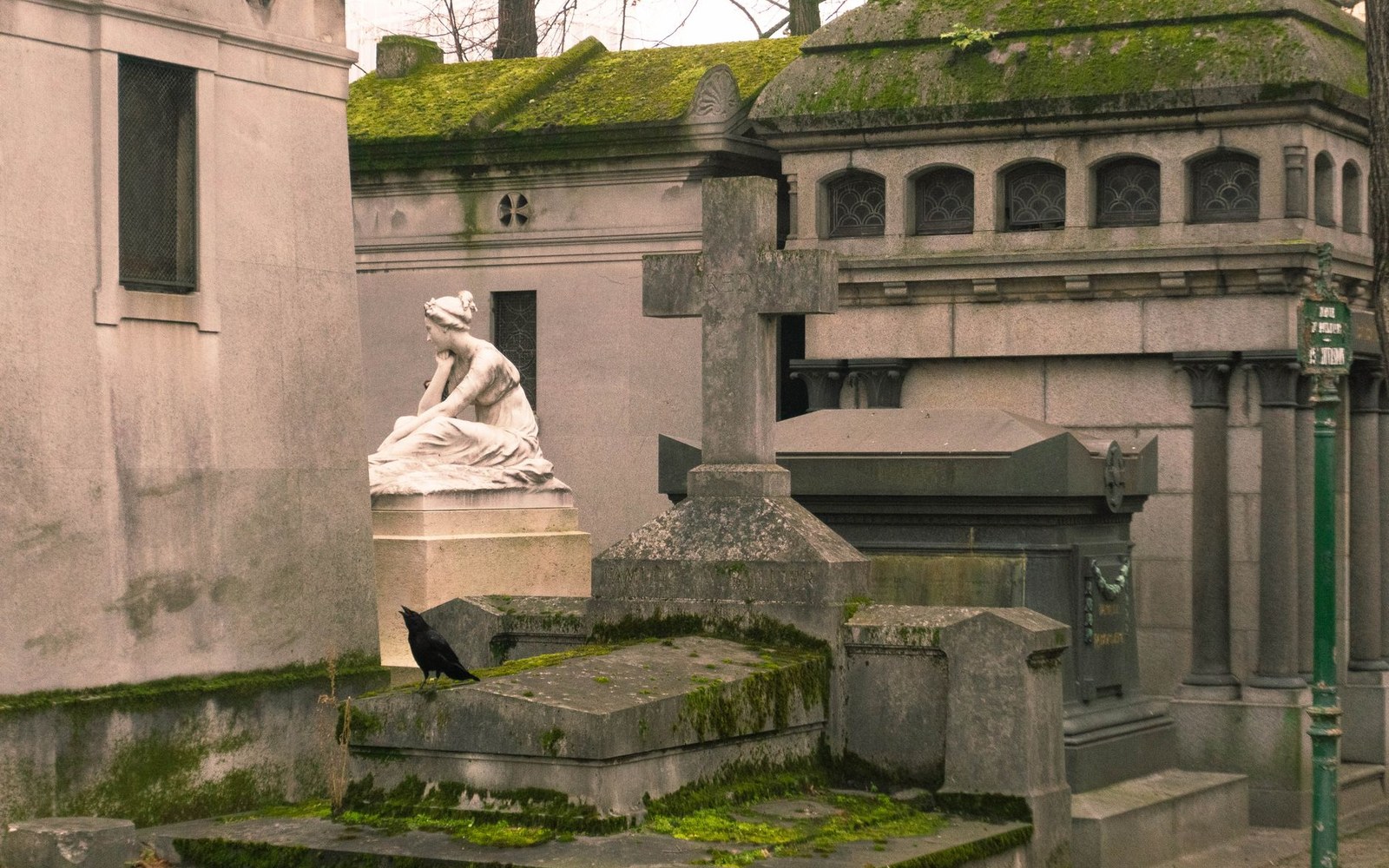
The Hahnemann monument at Père Lachaise cemetery, Paris, stone inscription readable, autumn light
Père Lachaise, ParisDivision 22. The monument was raised by international subscription.Photo: Raylarında Şehrin / Pexels
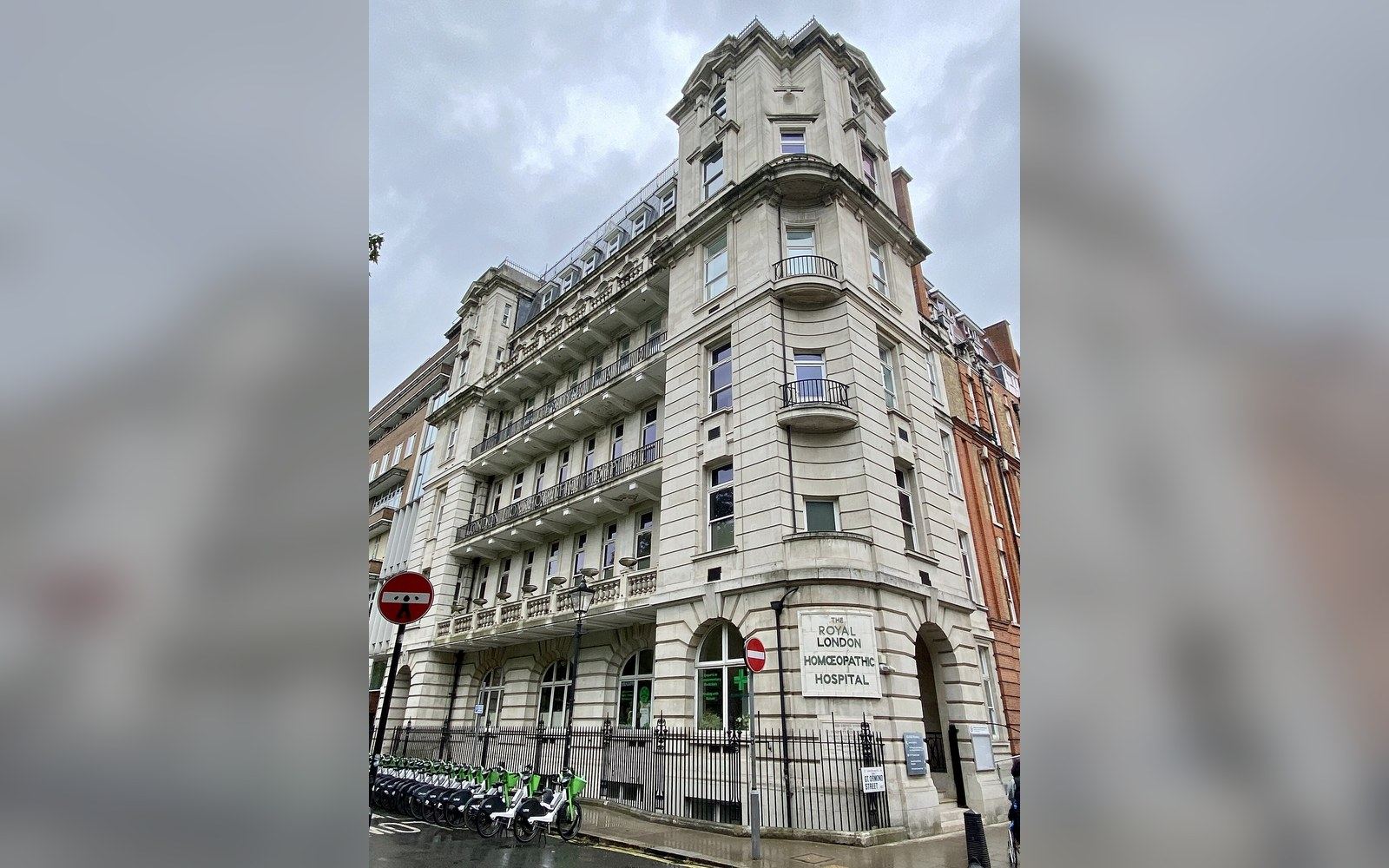
The facade of the Royal London Hospital for Integrated Medicine on Great Ormond Street, photographed straight on in overcast daylight
Great Ormond Street, LondonRenamed the Royal London Hospital for Integrated Medicine in 2010.Photo: Royal London Homoeopathic Hospital, Great Ormond Street, Bloomsbury, May 2024 · Wikimedia Commons
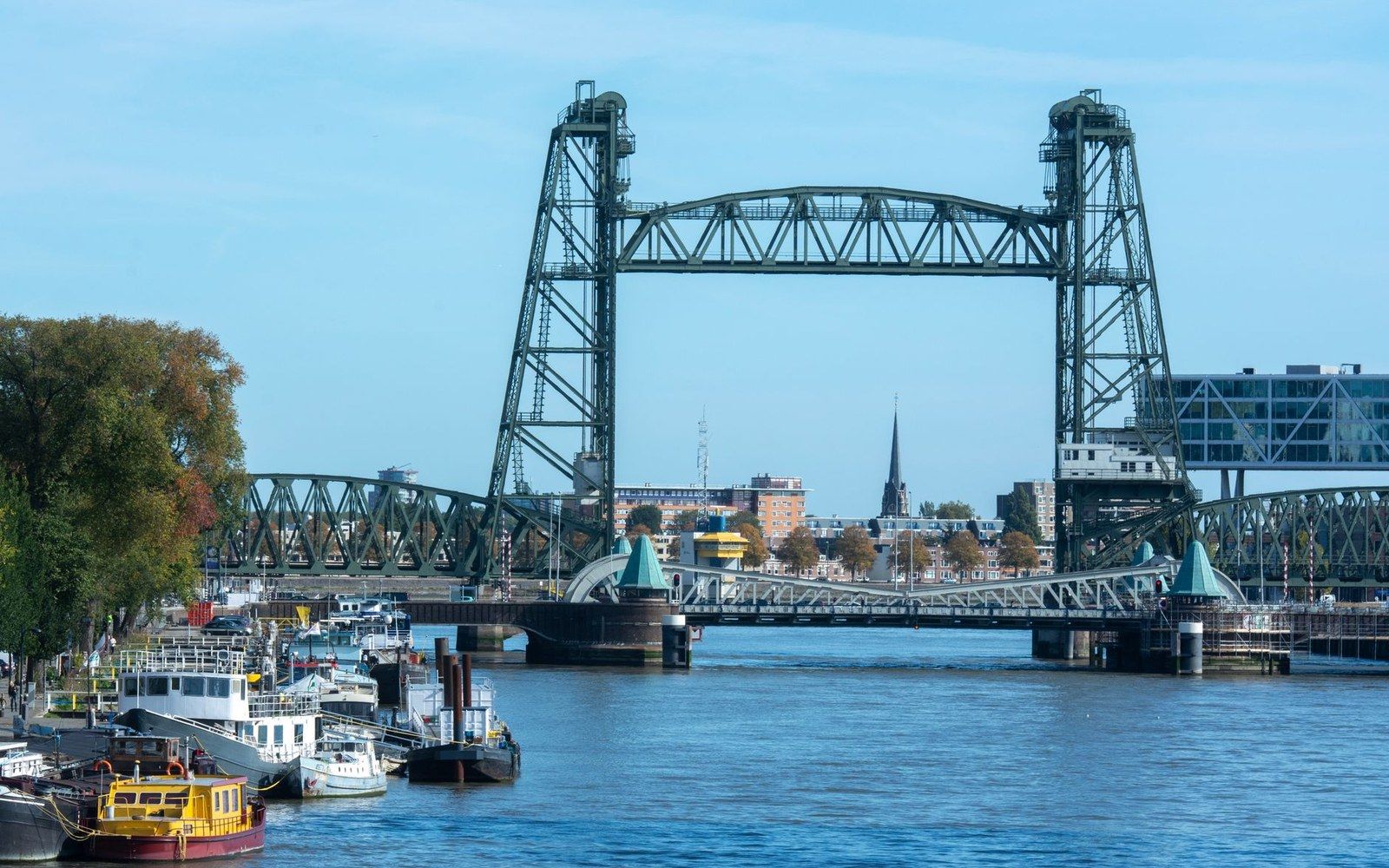
Steel lift bridge spans a river with moored boats and a city skyline behind
RotterdamThe Liga Medicorum Homoeopathica Internationalis was constituted here in 1925.Photo: Jan van der Wolf / Pexels
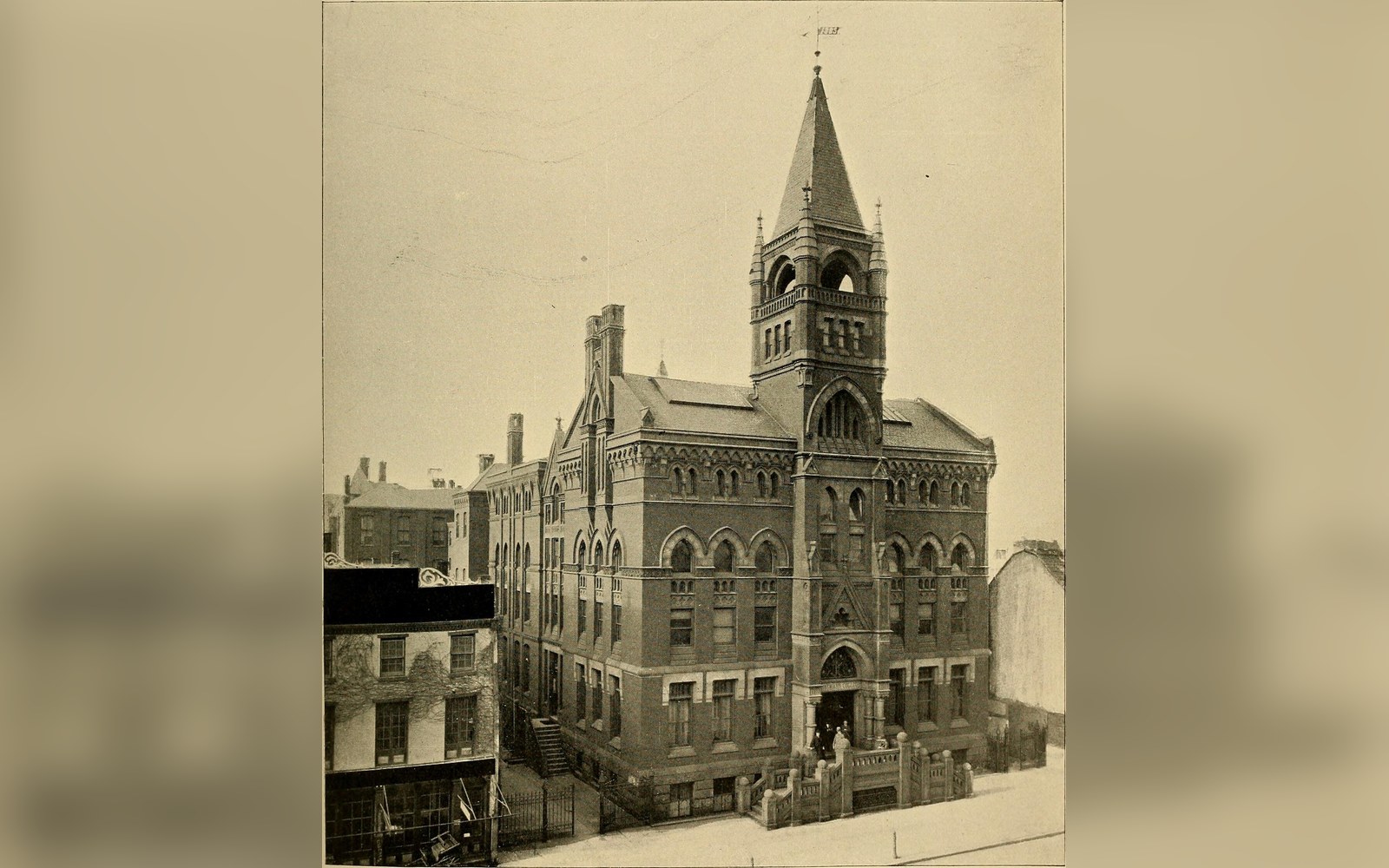
Vintage photograph of a brick building with a tall corner tower and steep spire
PhiladelphiaHering’s college, the first of its kind in the United States.Photo: History of the Homoeopathic Medical College of Pennsylvania - the Hahnemann Medical College and Hospital of Philadelphia (1898) · Wikimedia Commons
All eight places