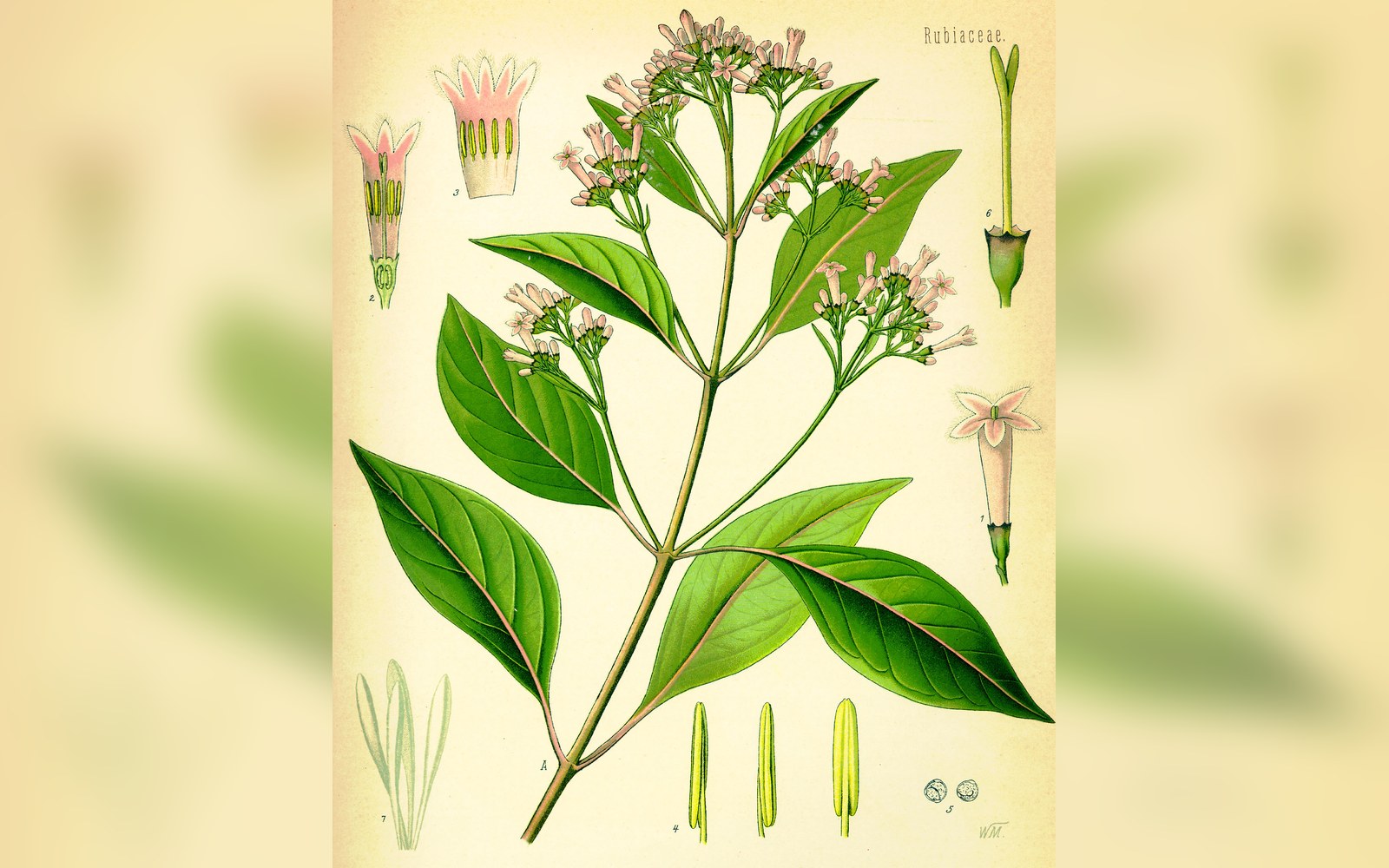
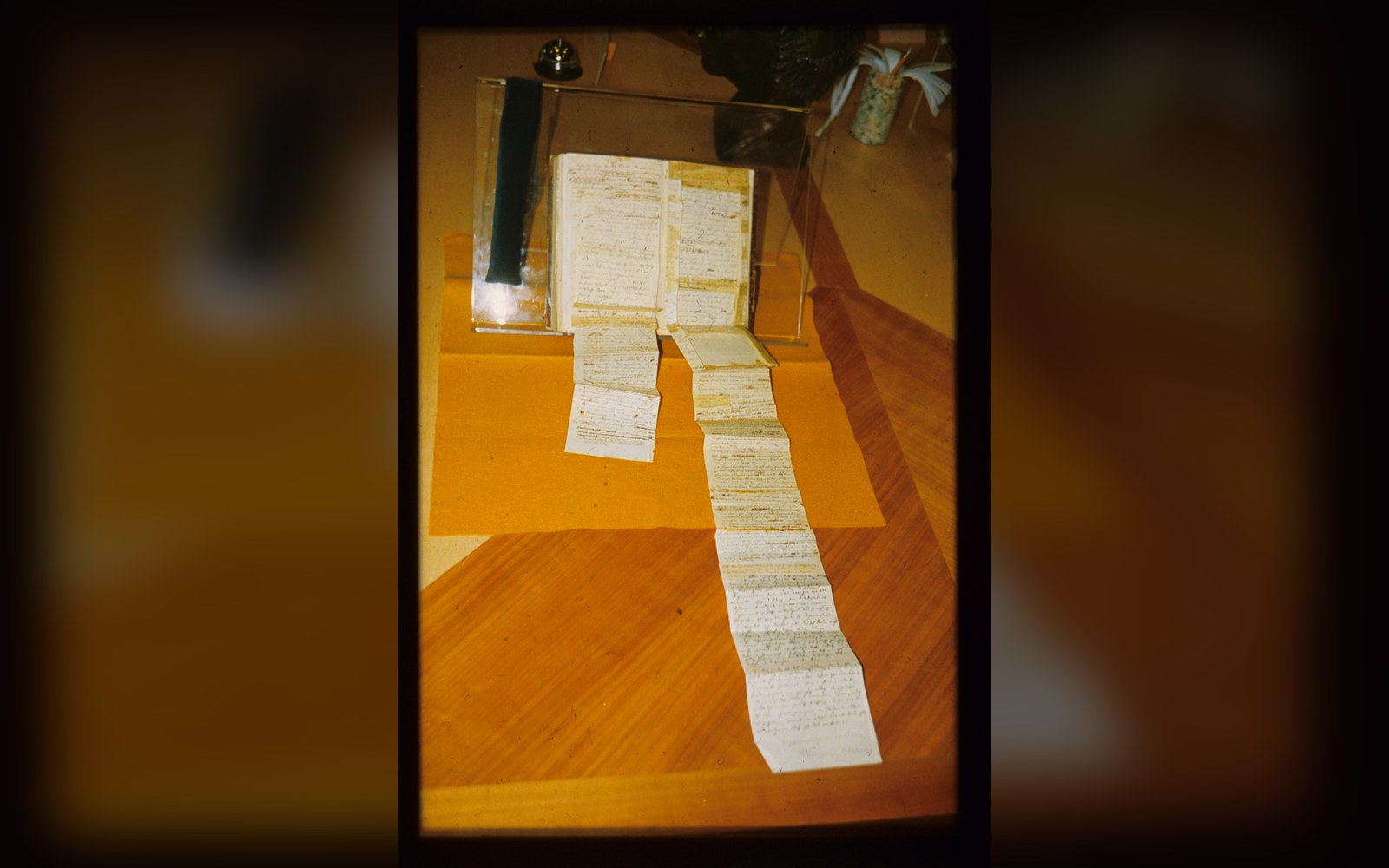
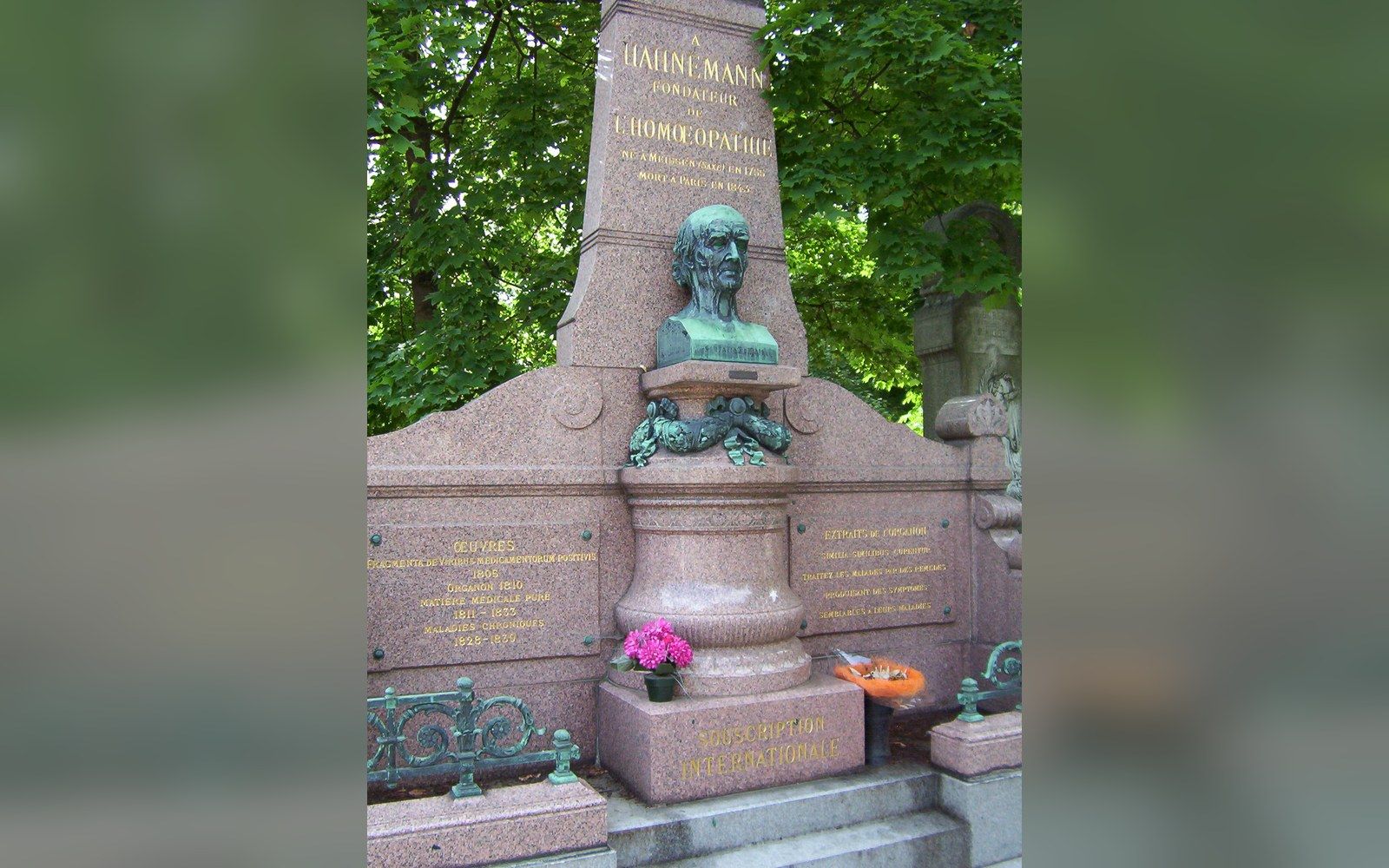
Hahnemann's 1796 self-administration of Peruvian bark and its place in the formation of similia similibus curentur — drawn from his own account in the Hufeland's Journal paper of that year. The origin story of the system, dated and sourced.
Tracks the Organon der rationellen Heilkunde from its first edition (1810) through the posthumous sixth (1921), noting what changed between editions — the introduction of LM potencies, the development of the miasm theory — and how each is cited by later institutions.
Describes the proving methodology Hahnemann developed in Leipzig, the publication of the Materia Medica Pura (1811–21) and the Chronic Diseases (1828), and the role the proving circle played in generating the remedy record.
A short piece on the term 'allopathy' as Hahnemann's own coinage from around 1810, its original meaning in his system, and how it passed into broader use.