NHS England Consulted in 2017, Then Stopped Routine Funding in 2018
The NHS England consultation on items of low clinical value (July 2017) — homeopathy's inclusion, the volume of responses, the final guidance published in November 2017, and the end of routine CCG funding that followed in 2018.
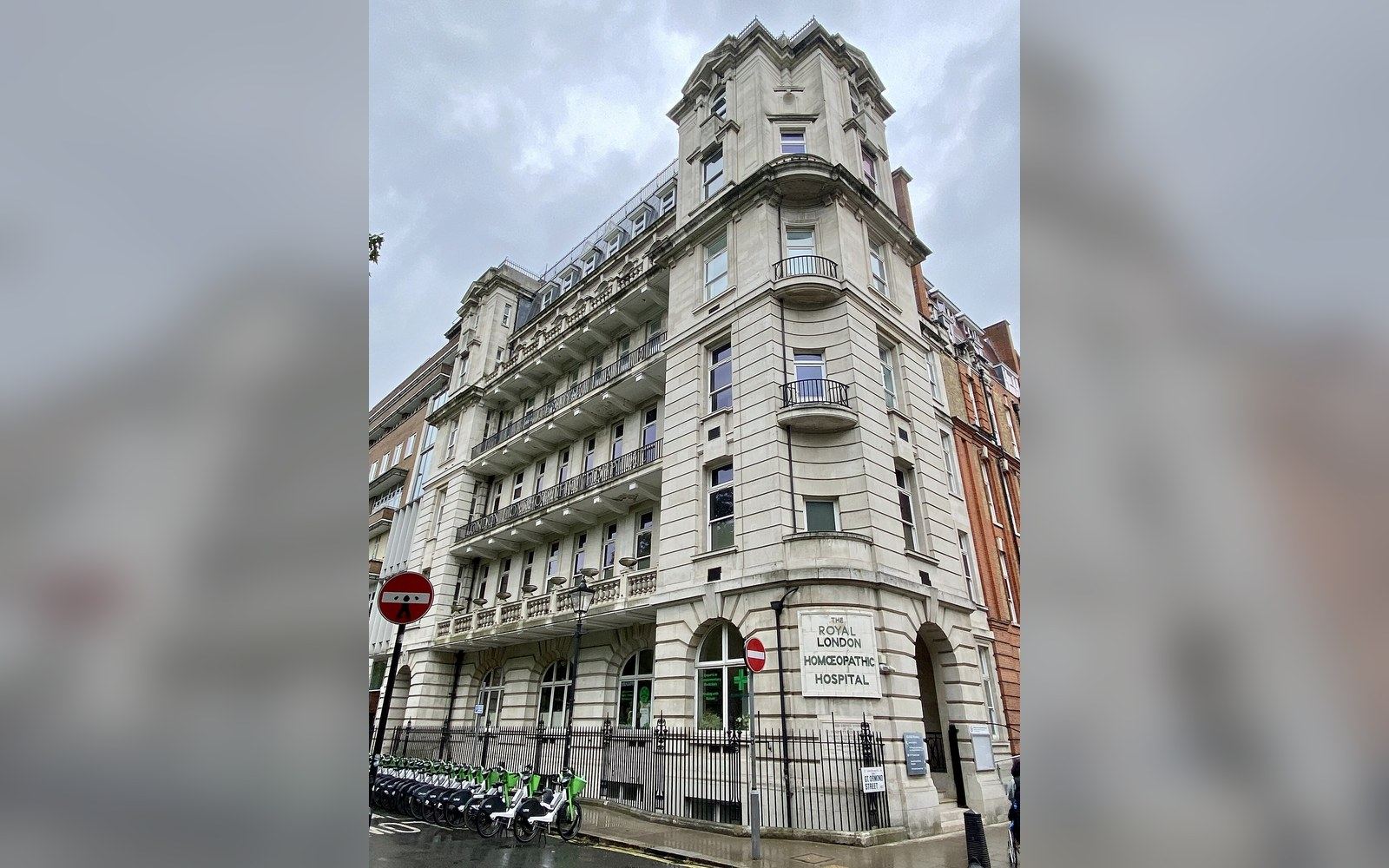
Great Ormond Street. The building kept its function and changed its name in 2010.Photo: Royal London Homoeopathic Hospital, Great Ormond Street, Bloomsbury, May 2024 · Wikimedia Commons

A consultation, then guidance, then the end of routine prescribing.Photo: Andre / Pexels
How a national consultation on "items of low clinical value" became the administrative end of routine homeopathy prescribing on the English health service.
The July 2017 Consultation
NHS England opened a public consultation on 21 July 2017 under the heading "Items which should not be routinely prescribed in primary care." The document proposed restricting or ending NHS funding for a list of treatments that commissioners considered to offer low clinical value, to be unsafe relative to alternatives, or to be available cheaply over the counter. Homeopathy appeared on the list alongside a range of other products.

The conclusions section, where a review states its own finding rather than a summary of it.Photo: MART PRODUCTION / Pexels
The rationale NHS England offered was straightforward: clinical commissioning groups (CCGs), the bodies then responsible for planning and buying most NHS services in England, were spending public money on treatments for which evidence of effectiveness was, in the organisation's assessment, not established. The consultation framed the question as one of resource allocation rather than scientific adjudication, but the evidence base — or its absence — was plainly central to the case. NHS England cited the finding of its own evidence review ↗ that no credible evidence base existed to support homeopathy's clinical effectiveness beyond placebo.
The consultation period ran until 21 October 2017, a window of three months. NHS England reported receiving more than 1,800 responses to the full consultation document. The homeopathy question attracted particular attention from patient groups, practitioner organisations including the Faculty of Homeopathy, and individual members of the public, making it one of the more contested items on the list.
- 21 July 2017NHS England consultation opens
- 21 October 2017consultation closes; more than 1,800 responses received
- November 2017final policy guidance published
- April 2018guidance takes effect as commissioning standard for CCGs
What the November 2017 Guidance Said
NHS England published its final policy guidance in November 2017. On homeopathy, the guidance concluded that the evidence of benefit was not sufficient to justify routine commissioning and that CCGs should not fund homeopathic preparations as a matter of course. The document did not legislate an outright ban — that power rested with individual CCGs — but it set a clear national direction: homeopathy should be regarded as not appropriate for routine prescription in primary care.
The guidance also addressed herbal medicines and several other categories, but homeopathy drew the sharpest language. NHS England characterised it as a treatment where the scientific evidence does not support its use beyond placebo, an assessment consistent with the conclusions reached by other national bodies in the same period — among them the Australian National Health and Medical Research Council, whose 2015 systematic review across 176 papers had reached a comparable conclusion, and the House of Commons Science and Technology Committee, whose 2010 Evidence Check inquiry had recommended that NHS funding cease.
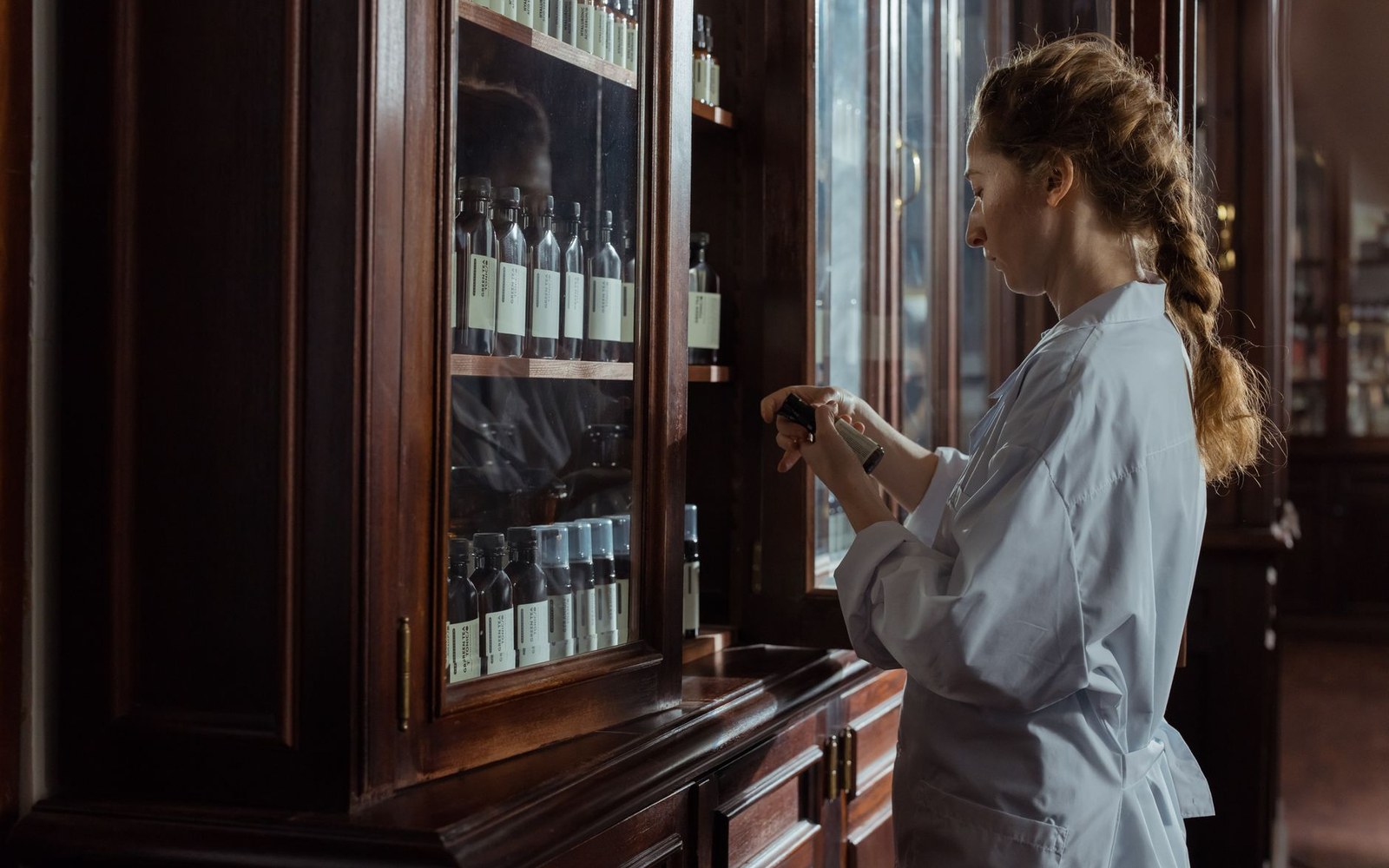
Labelled by remedy and by potency; what is inside each vial is sugar.Photo: cottonbro studio / Pexels
The Faculty of Homeopathy disputed the process and the conclusions, arguing that the consultation had not engaged adequately with the full clinical literature. That objection did not alter the outcome.
The 2018 Transition
The guidance published in November 2017 took effect as a commissioning standard from April 2018. From that date, CCGs in England were expected not to initiate new NHS prescriptions for homeopathic preparations and to wind down existing arrangements. NHS homeopathic hospitals and outpatient services operated separately under their own commissioning contracts, meaning the guidance's immediate reach was primarily general-practice prescribing rather than specialist referral pathways — though those pathways were also under pressure from commissioners applying the same value-for-money logic.
The practical result was a sharp contraction in NHS homeopathy spending. The Royal London Hospital for Integrated Medicine on Great Ormond Street, which had for decades been the largest NHS homeopathic facility in Europe, had already seen its referral volumes decline substantially before 2018; the new commissioning guidance accelerated that trend. No national figure for the total saving was published in the guidance itself, but NHS England had indicated during the consultation that the sums involved across the restricted list ran to tens of millions of pounds annually.
The 2017–18 process was an administrative instrument, not a scientific judgment. It did not resolve the underlying disputes about evidence, mechanism or trial methodology that have characterised the peer-reviewed literature since at least Klaus Linde's 1997 Lancet meta-analysis. What it did was translate an accumulated institutional view about clinical evidence into a funding rule — and in doing so, remove homeopathy from the routine commissioning landscape of the English health service.